How Are Protection Dogs Trained
Protection dogs are trained through a structured, multi-stage process that develops their temperament, environmental stability, obedience under pressure, and controlled defensive response. The process begins with careful selection and progresses through real-world conditioning, ensuring the dog can live safely within a family while responding correctly to genuine threats.
View Available DogsUnderstanding the Reality Behind Protection Dog Training
There is a wide gap between perception and reality when it comes to protection dogs.
Most people are introduced to the concept through movies, social media clips, or short training demonstrations. In those portrayals, the dog appears intense, reactive, and constantly ready to engage. The training looks fast, dramatic, and often aggressive. The message is simple: the dog is dangerous, powerful, and ready to act at any moment.
This is not how real protection dogs are developed.
In reality, the most important qualities of a protection dog are calmness, clarity, and control. A properly trained dog spends most of its life doing nothing—resting in the home, walking calmly in public, or simply existing as part of a family. The ability to do nothing correctly is just as important as the ability to act when necessary.
Another major misunderstanding comes from confusing sport-trained dogs with real protection dogs.
- A quiet home that suddenly becomes chaotic
- A public setting with unknown people and distractions
- A situation that escalates without warning
The difference is not in intensity—it is in decision-making.
Protection training is not about creating aggression. It is about building a dog that remains clear-headed under pressure, understands its role, and responds only when necessary.
The Foundation Principle: Control Over Aggression
Before breaking down the training stages, one principle must be clearly understood:
A properly trained protection dog is defined by control, not aggression.
Aggression without control is unpredictable. It creates liability, not safety.
Control means:
- The dog can remain calm in normal situations
- The dog listens immediately, even under stress
- The dog can engage and disengage on command
- The dog understands when nothing is happening
This principle is not added at the end of training. It is built from the very beginning and reinforced at every stage.
The Real Training Process: Step by Step
Stage 1: Selection
Everything starts here, and it is the stage that determines the outcome more than any other.
Not every dog can become a protection dog. In fact, most cannot.
Selection is based on factors that cannot be trained into a dog:
Genetic stability
Nerve strength
Confidence without unnecessary aggression
Ability to recover quickly from stress
Natural curiosity without fear
A dog that shows hesitation, avoidance, or instability in early stages will not improve through training.
This is where many misunderstand the process. They assume that with enough time, any dog can be trained to protect. That is not true.
The majority of dogs are not suitable for this type of work.
In real training programs, many dogs are evaluated and removed from the process early. This is not failure—it is necessary selection.
Where most dogs fail at this stage:
They lack confidence in new environments
They show inconsistent reactions to pressure
They become overly sensitive to stimuli
The Real Training Process: Step by Step
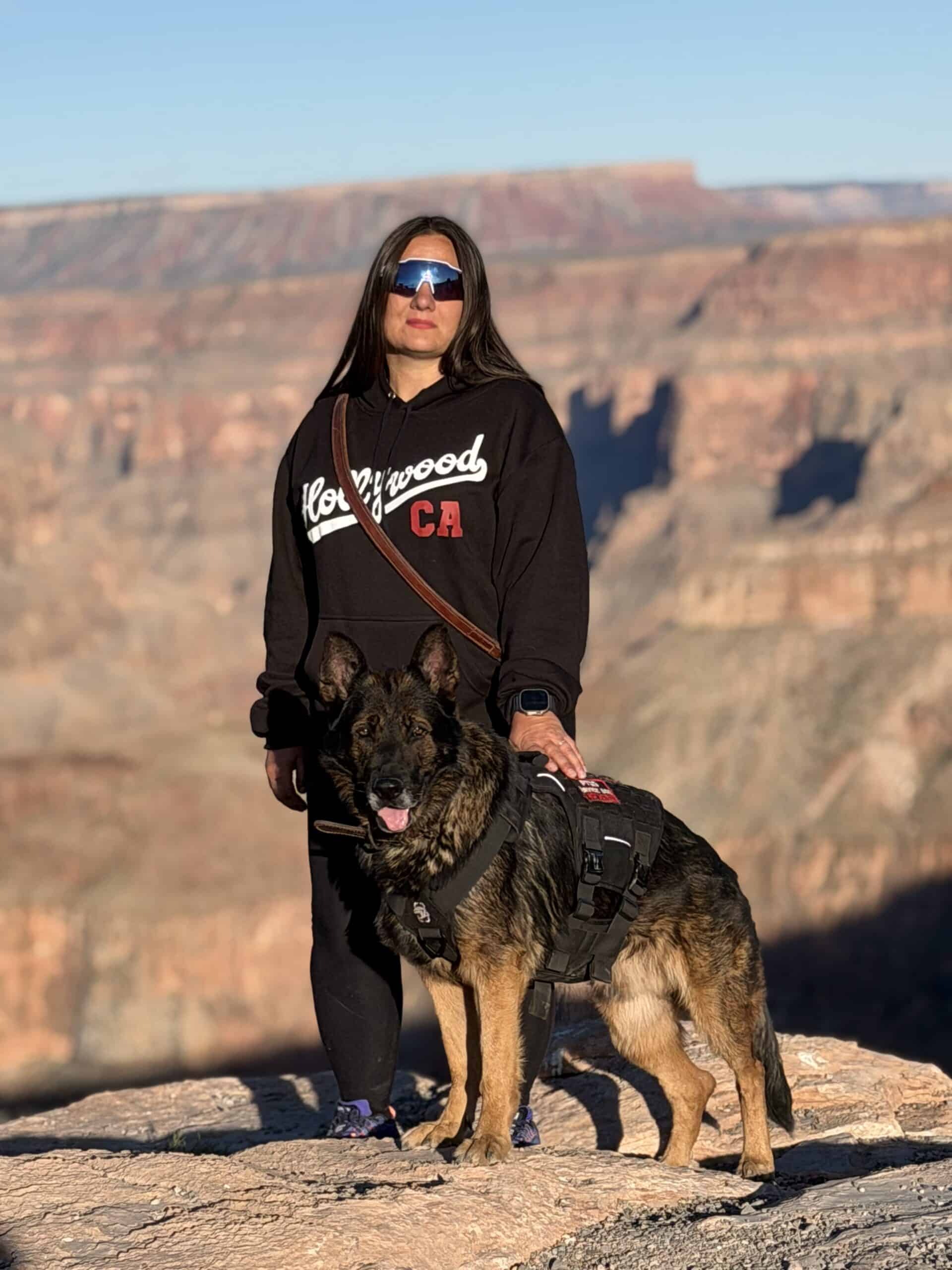
Stage 2: Environmental Stability
Once the right dog is selected, the next step is building stability in the real world.
This stage focuses on exposure and adaptation.
The dog is introduced to:
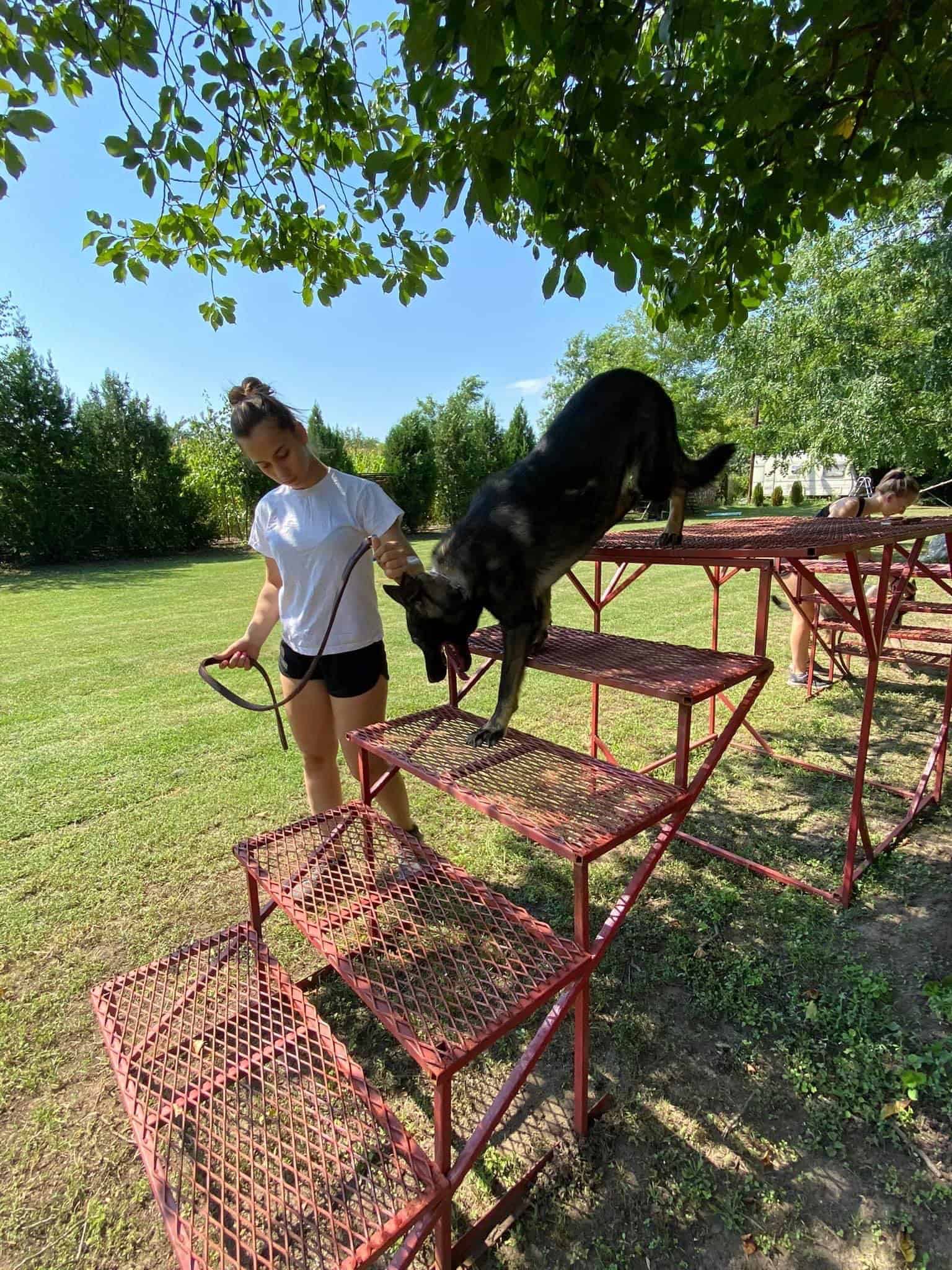
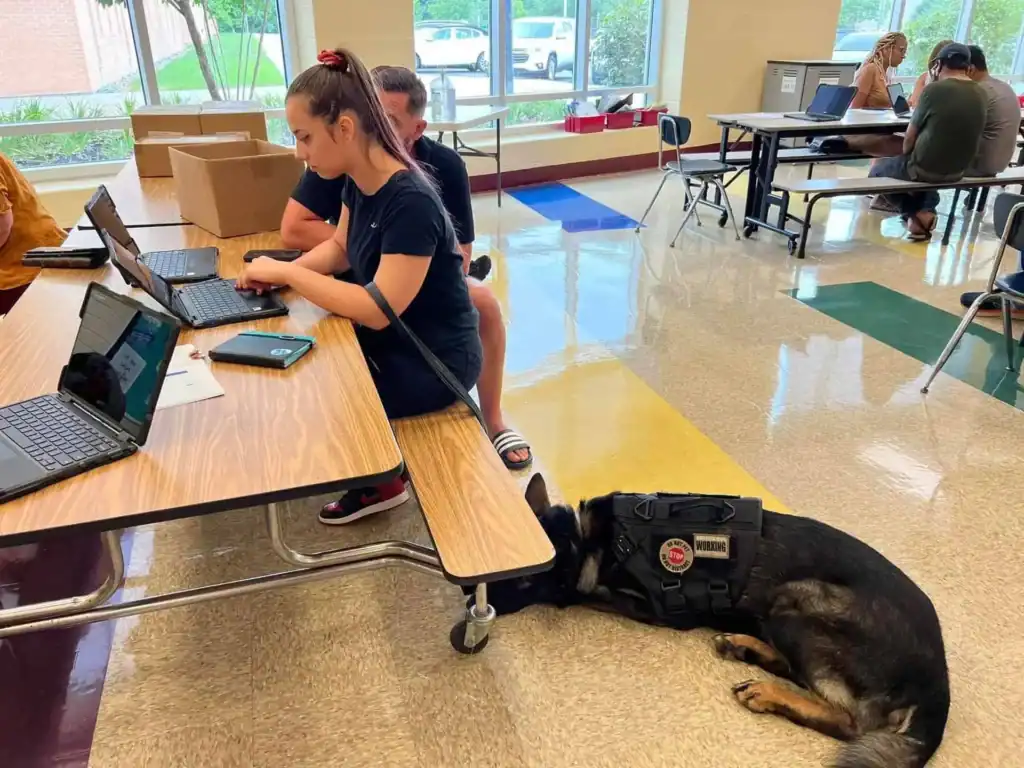
Different environments (urban, residential, indoor, outdoor)
Various surfaces (metal, tile, unstable ground, stairs)
Loud and sudden noises
Movement, crowds, and unpredictable activity
The goal is not just exposure—it is the dog’s reaction to exposure.
A stable dog:
Observes without panic
Recovers quickly from surprises
Remains neutral instead of reactive
This stage is critical because protection work happens in real environments, not controlled fields.
A dog that is unstable in everyday situations cannot be trusted when pressure increases.
The Real Training Process: Step by Step
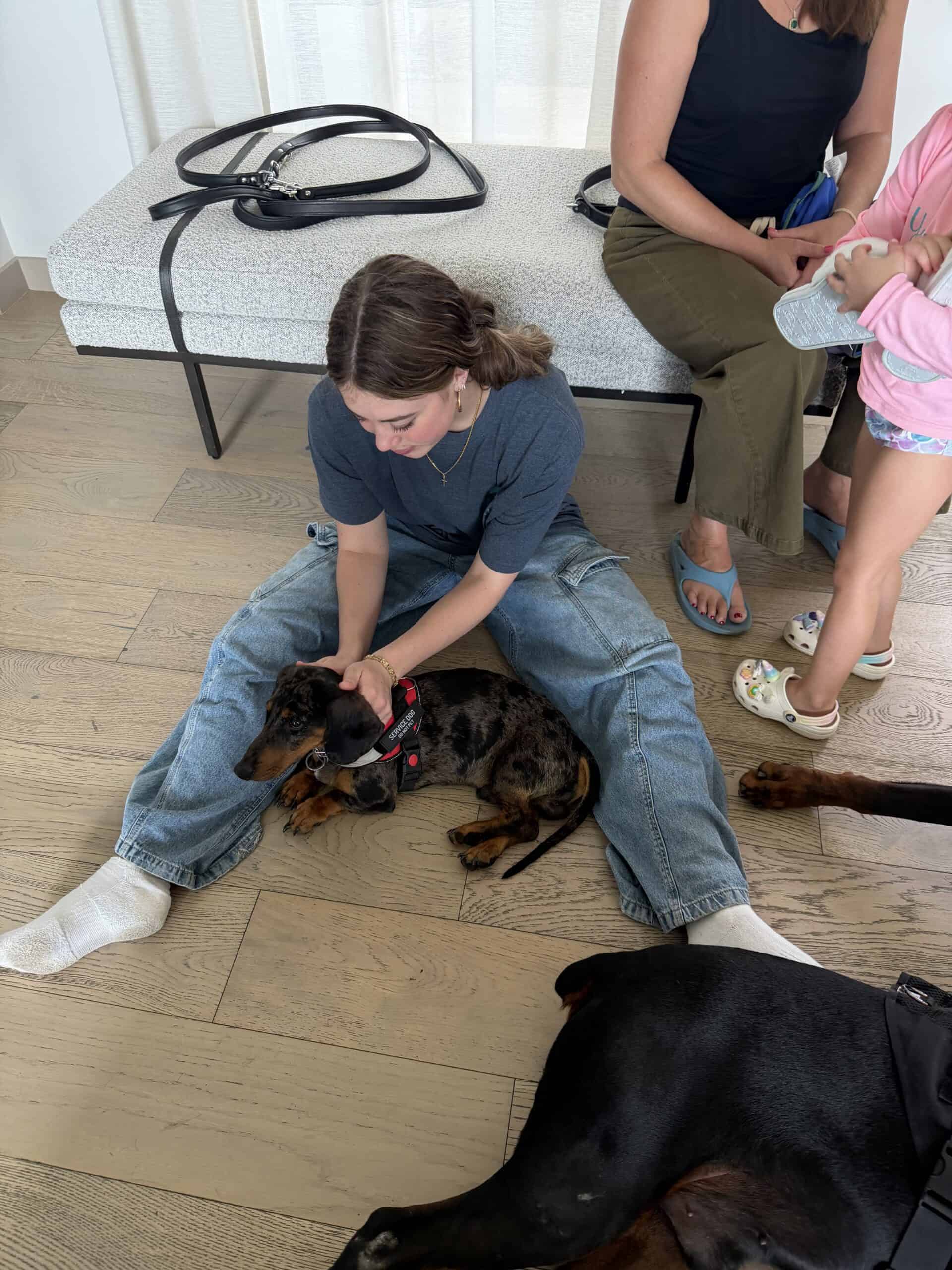
Stage 3: Obedience Under Pressure
Obedience is often misunderstood as basic commands.
In protection training, obedience has a different meaning.
It is not about whether the dog knows commands. It is about whether the dog follows them under stress.
At this stage, the dog learns:
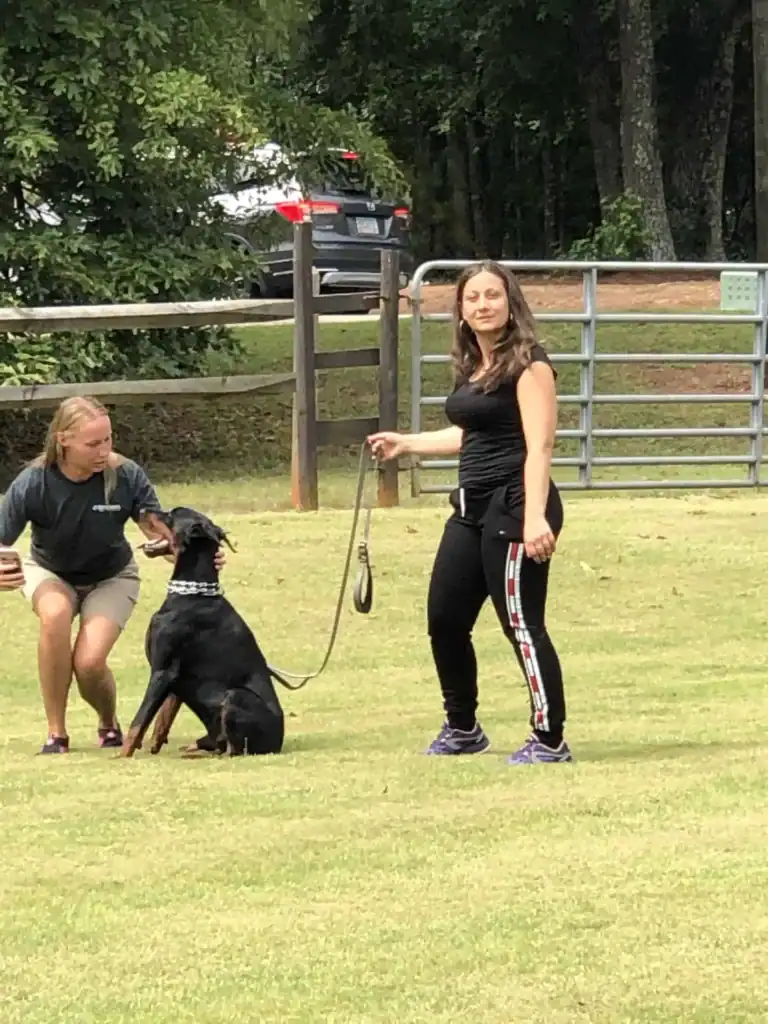
- Immediate response to commands
- Consistency regardless of distractions
- Clarity in communication with the handler
A protection dog must respond the same way:
- In a quiet home
- In a crowded public space
- In a stressful confrontation
Where many dogs fail:
- They respond well in calm environments, but break under pressure
- They hesitate when distractions increase
- They prioritize environment over handler
This stage builds control, and without it, protection work cannot be safely introduced.
The Real Training Process: Step by Step
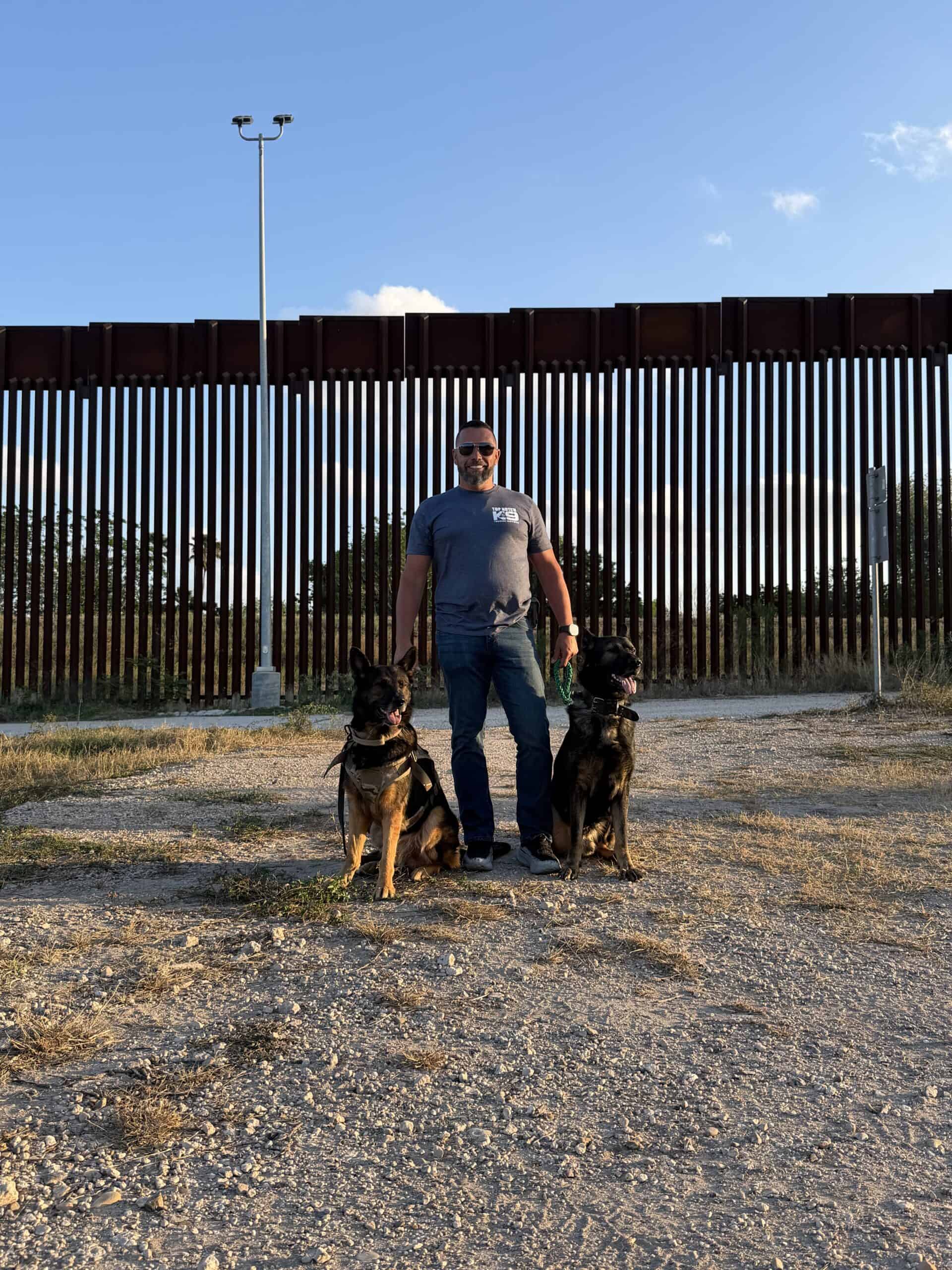
Stage 4: Controlled Defensive Response
Only after the dog demonstrates stability and obedience does protection work begin.
This is where many people expect the process to start—but in reality, it comes much later.
At this stage, the dog is introduced to:
- Controlled threat scenarios
- Defensive engagement
- Targeted response
The focus is not on intensity—it is on clarity.
The dog learns:
- When to engage
- How to engage
- How to stop immediately
The most important part of this stage is disengagement.
A dog that can engage but cannot stop is not trained—it is dangerous.
Where many dogs fail:
- Overreaction without control
- Inability to disengage
- Escalation beyond command
The Real Training Process: Step by Step
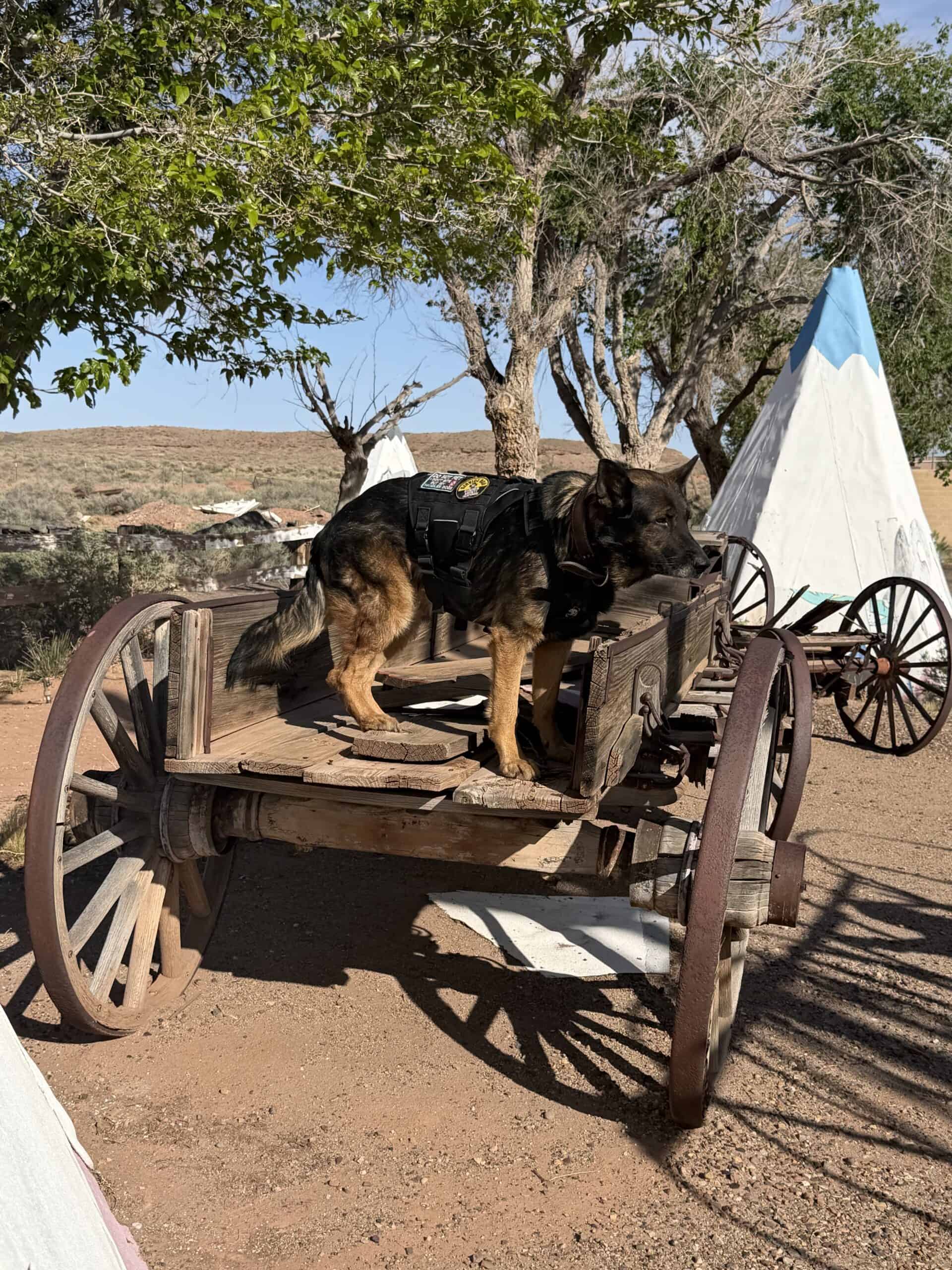
Stage 5: Discrimination Training
This is one of the most complex and defining stages.
The dog must learn to distinguish between:
- Normal interaction and real threat
- Friendly approach and aggressive intent
- Everyday movement and abnormal behavior
This cannot be taught through a few repetitions. It requires extensive exposure and variation.
The dog experiences:
- Different people approaching in different ways
- Calm and aggressive behaviors
- Situations that look similar but require different responses
The goal is clarity.
A protection dog must not react to everything. It must react correctly.
Where many dogs fail:
- They become overly reactive
- They cannot distinguish context
- They respond based on excitement instead of understanding
The Real Training Process: Step by Step
Stage 6: Real-Life Scenario Conditioning
Training now moves fully into real-world application.
Controlled environments are reduced, and unpredictability is introduced.
The dog is trained in:
- Homes
- Vehicles
- Public spaces
- Everyday routines
Scenarios are varied:
- Unexpected approaches
- Sudden changes in environment
- Movement from different directions
The goal is adaptability.
In real life, there are no patterns. The dog must respond based on understanding, not routine.
Where many dogs fail:
- Dependence on predictable setups
- Confusion in unfamiliar scenarios
- Loss of clarity outside training environments
The Real Training Process: Step by Step
Stage 7: Family Integration
The final stage defines whether the dog is truly suitable for its purpose.
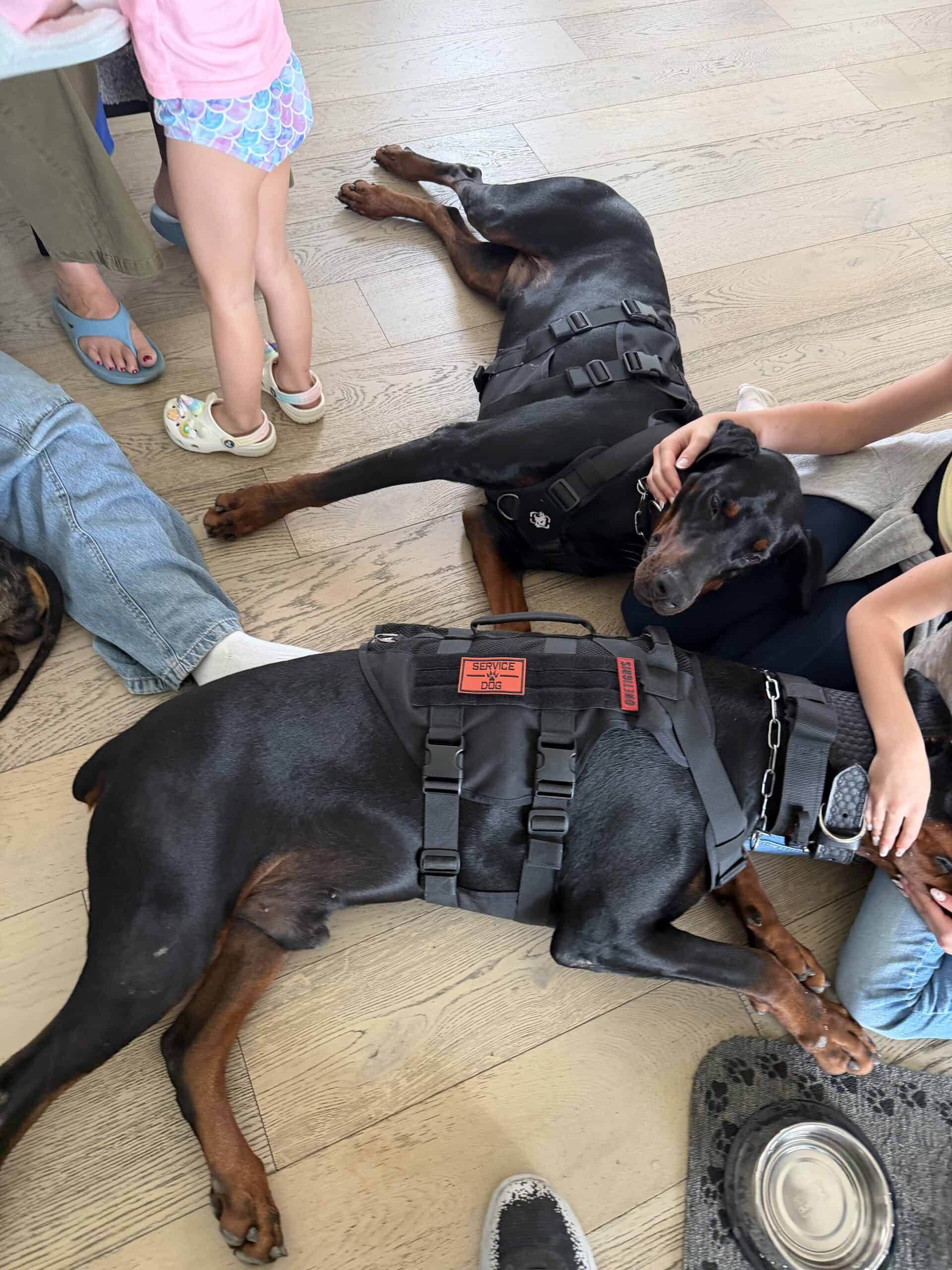
A protection dog must live as a family member.
This includes:
- Calm behavior in the home
- Safe interaction with children
- Neutral behavior around guests
- Ability to relax completely
The dog must understand:
- When nothing is happening
- When to remain passive
- When to be active
This balance is critical.
A dog that is always alert is not stable. A dog that cannot switch off cannot safely live in a home.
Where many dogs fail:
- Difficulty relaxing
- Over-alertness
- Inconsistent behavior around people
The Reality Most People Don’t See
One of the most important truths about protection dog training is this:
Not every dog successfully completes the process.
Even dogs that start strong may fail later.
Common failure points include
- Inability to handle pressure
- Lack of consistency in behavior
- Poor discrimination between situations
- Loss of clarity in real-life environments
What matters is recognizing these limitations and not pushing unsuitable dogs through the process.
A protection dog must meet a standard. If it does not, it should not continue.
What Is Commonly Misunderstood
The biggest misconception is that protection training is about teaching a dog to bite.
In reality:
- Biting is a small part of the process
- Control is the primary objective
- Stability determines success
A dog that bites without control is not a protection dog.
Another misunderstanding is the timeline.
People expect fast results. In reality, proper training takes time because each stage builds on the previous one.
Skipping stages creates gaps that cannot be fixed later.
Where Most Programs Fall Short
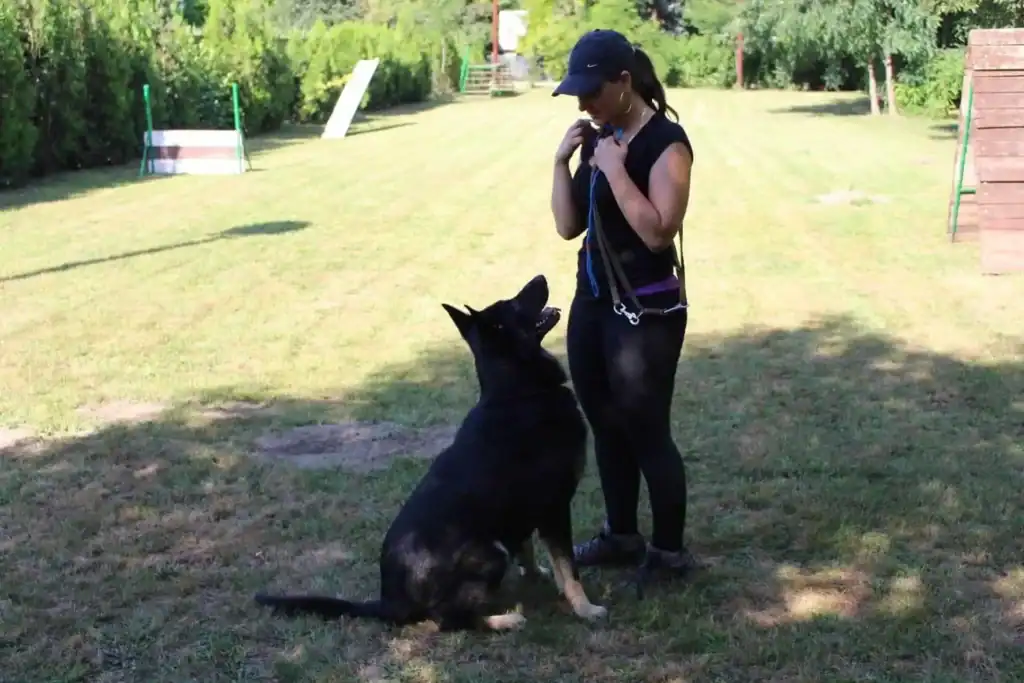
Many training programs focus on visible results rather than real reliability.
They prioritize:
- Fast progression
- Impressive demonstrations
- High-intensity behavior
- True obedience under pressure
This creates dogs that look trained but are not prepared for real situations.
The difference becomes clear outside controlled environments.
The Role of Experience in Training
Protection dog training is not theoretical.
It is built on:
- Repetition across different dogs
- Understanding behavioral patterns
- Recognizing early signs of success or failure
Experience allows trainers to:
- Identify suitable dogs early
- Adjust training based on individual behavior
- Maintain consistency across all stages
Without experience, it is easy to misinterpret behavior
and push dogs beyond their capabilities.
Final Perspective
Training a protection dog is a structured, selective, and experience-driven process.
There are no shortcuts, and there are no guarantees that every dog will succeed.
When done correctly, the result is not an aggressive animal, but a stable, controlled, and reliable companion.
A dog that can live peacefully within a family, remain calm in everyday life, and respond only when it truly matters.
That balance—between control, stability, and capability—is what defines a real protection dog.