What Makes a Dog Safe for Families
A dog is safe for a family when it is mentally stable, predictable in its behavior, and able to remain
calm and controlled in everyday life. Safety is not about how friendly or obedient a dog appears. It is about
how the dog thinks, how it handles pressure, and how consistently it responds when situations are not perfect.
View Available Dogscalm and controlled in everyday life. Safety is not about how friendly or obedient a dog appears. It is about
how the dog thinks, how it handles pressure, and how consistently it responds when situations are not perfect.
What Safety Actually Means
Most people define a safe dog based on what they see in front of them. The dog is friendly, social, listens well, and may even be trained. That creates comfort. But comfort is not the same as safety.
Safety only shows when something unexpected happens.
A child runs into the dog. A plate drops. Someone enters the house without warning. The environment changes quickly. That is where the truth about a dog comes out.
A safe dog does not need perfect conditions to behave correctly. It carries its stability into imperfect situations.
That is the difference.
Available Dogs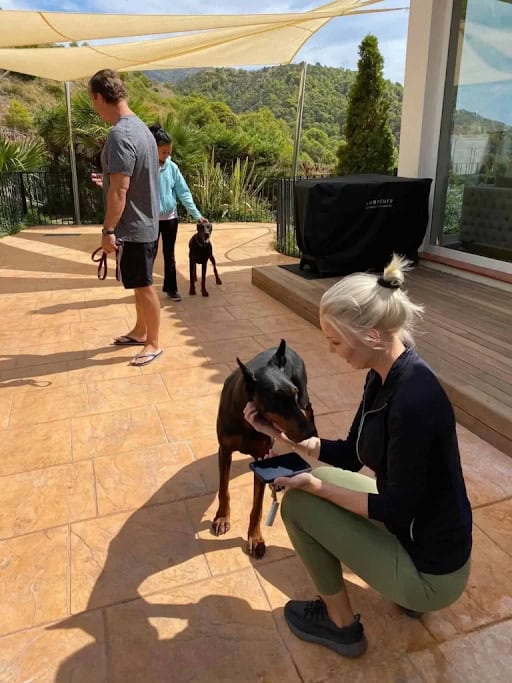
Why Temperament Comes First
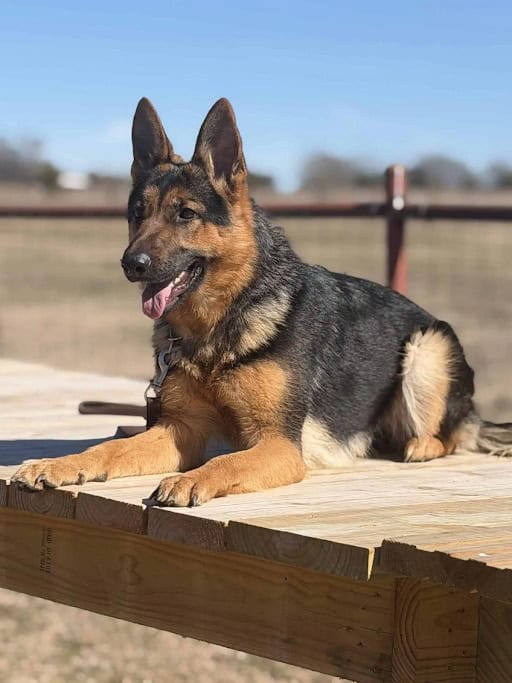
Everything starts with the dog’s temperament. This is not something you build later. It is what the dog already is.
Training can guide behavior. It can shape how a dog responds when things are clear and controlled. But when pressure increases, the dog does not rely on training first. It falls back on its natural state.
If that natural state is stable, the dog stays clear.
If it is not, the behavior changes.
This is why temperament is not just important—it is decisive.
A dog with the right temperament does not need constant correction. It understands the environment naturally. It processes before reacting.
A dog without it may still perform well in structured settings. But when something shifts, it reacts first and thinks later. That is where problems begin.
Predictability Is What Creates Trust
Families do not need perfection from a dog. They need consistency.
When a dog reacts the same way to similar situations, people understand it. They feel comfortable around it. They trust it.
If the reaction changes from one moment to the next, that trust disappears.
This is where many dogs fail quietly. They are fine most of the time. But not always. And that “not always” is what matters.
A dog that is calm nine times and overreacts once is not predictable.
And without predictability, there is no real safety.
Available Dogs
Calmness Is Control, Not Lack of Energy
A safe dog is calm, but not passive.
It can have energy, drive, and presence. What matters is that it does not lose control of that energy.
It does not get carried away by the environment. It does not escalate because something changed.
It stays clear.
Nervous dogs often look manageable at first. They may even seem gentle. But underneath, there is tension. They absorb too much from what is happening around them.
That tension builds. And eventually, it shows.
A calm dog does not carry that tension. It stays steady, even when the environment is not.
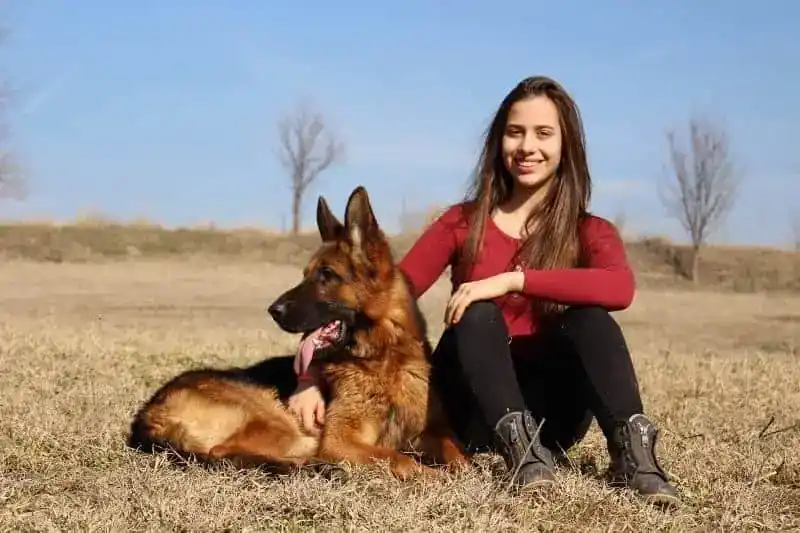
How a Safe Dog Reads Everyday Life
The real test of a dog is not training sessions. It is daily life.
In a family home, things are not structured. They happen fast and without warning.
A safe dog understands this environment without needing constant direction.
When children run, it does not interpret that as something to chase or control.
When a loud noise happens, it does not escalate.
When guests enter, it does not react before understanding the situation.
It observes first.
That ability to read situations correctly is what makes a dog reliable.
Training can teach commands. It cannot teach understanding at this level unless the dog already has the right foundation.
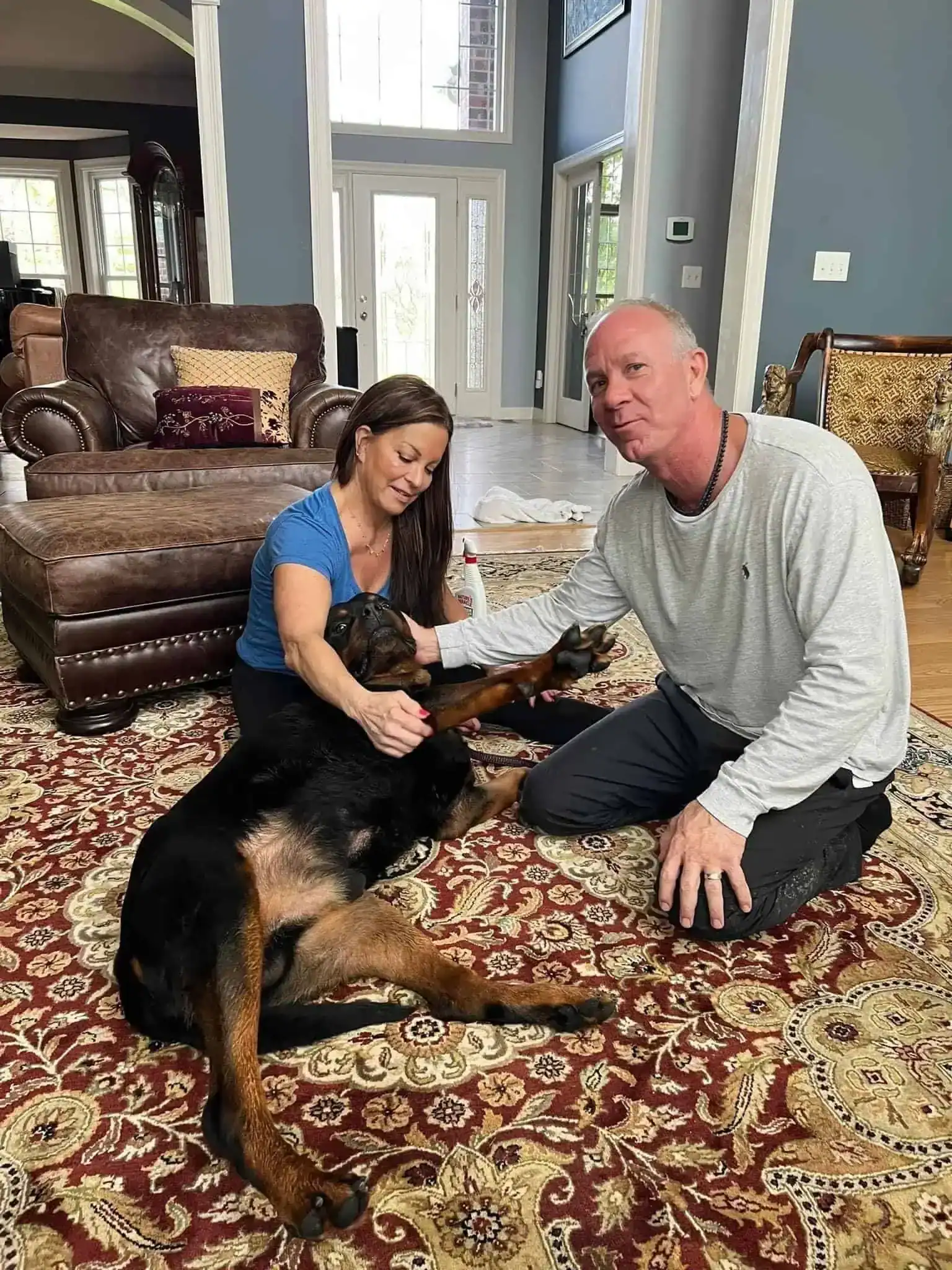
Children Change Everything
There is no situation that exposes a dog more than being around children.
Children are unpredictable by nature. They move quickly, touch without thinking, and do not always respect space. That is normal. That is part of family life.
A safe dog must be able to handle that without pressure building inside it.
It does not get tense when a child gets close.
It does not react to sudden movement.
It does not become alert or defensive in normal interactions.
It stays neutral.
This does not mean children should be allowed to do anything. Respect still matters. But the dog cannot depend on perfect behavior from a child in order to remain safe.
Dogs that are easily startled, sensitive to touch, or inconsistent in their reactions do not belong in this environment, regardless of how well they perform otherwise.
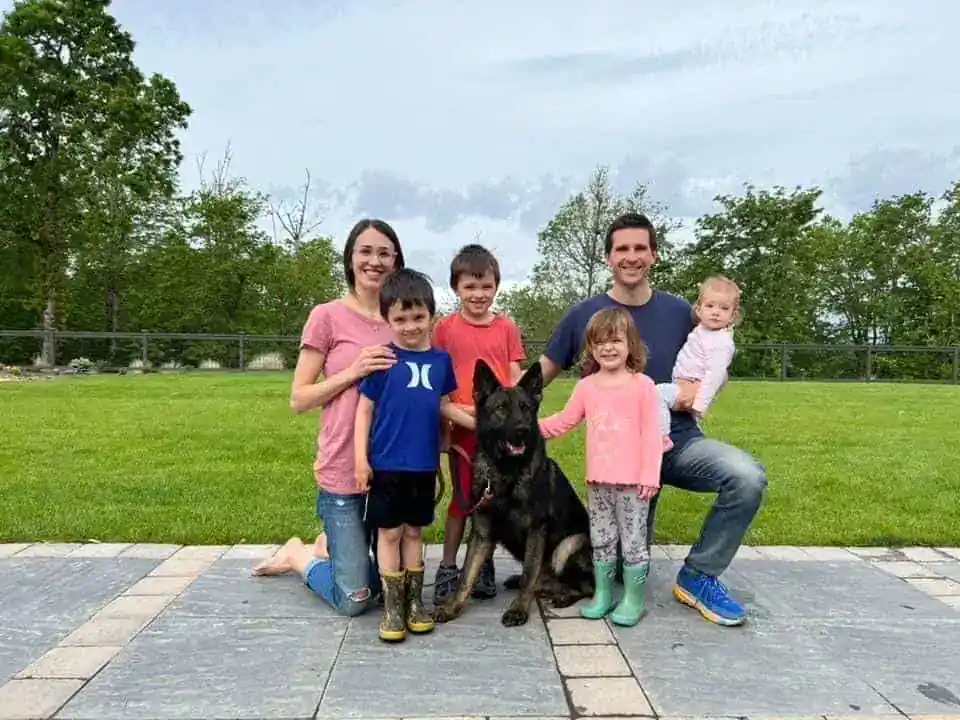
What Unsafe Dogs Look Like
Unsafe dogs are often misunderstood because they are not always obvious.
They are not necessarily aggressive. In many cases, they are simply unstable.
- What Unsafe Dogs Look Like
- Difficulty calming down
- Difficulty calming down
- Inconsistent behavior in familiar situations
These signs are often ignored because they are not constant.
But safety is not about how a dog behaves most of the time. It is about what it is capable of when something pushes it.
If the dog has the capacity to inconsistent behavior in familiar situations
ond incorrectly, that risk is always there.
Available Dogs
Control Is the Standard, Not Aggression
There is a common belief that a stronger, more protective dog is naturally more dangerous.
That is not accurate.
A properly developed dog is defined by control, not aggression.
It remains neutral when nothing is happening.
It acts only when necessary.
And it returns to calm immediately after.
There is no excess behavior.
Aggression without control is instability.
Control without tension is safety.
That is the difference professionals look for.
Available Dogs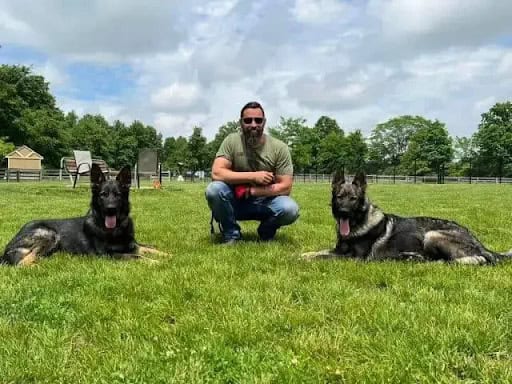
Where People Get It Wrong
The mistake is usually not intention. It is focus.
People look at what is visible:
- The dog is friendly
- The dog listens
- The dog looks good
But safety is not visible in a short interaction.
It shows over time, across different situations, especially when something unexpected happens.
Another common mistake is ignoring small signs early on. Slight nervousness, mild overreaction, hesitation—these are not minor details. They are indicators.
And one of the biggest misunderstandings is believing that training can fix everything.
It cannot.
Training works with what the dog already is. It does not replace it.
Contact us
How a Safe Dog Reads Everyday Life
The real test of a dog is not training sessions. It is daily life.
In a family home, things are not structured. They happen fast and without warning.
A safe dog understands this environment without needing constant direction.
When children run, it does not interpret that as something to chase or control.
When a loud noise happens, it does not escalate.
When guests enter, it does not react before understanding the situation.
It observes first.
That ability to read situations correctly is what makes a dog reliable.
Training can teach commands. It cannot teach understanding at this level unless the dog already has the right foundation.
Final Thought
A safe dog is not the one that performs the best in ideal conditions. It is the one that holds itself together when conditions are not ideal.
When the foundation is correct, everything else follows.
When it is not, nothing fully compensates for it.
That is the difference between a dog that can live in a family—and a dog that truly fits into one.
Contact Us