Choosing home protection dogs is not just about security; it is about feeling safe in your own home. But there is always that one concern: will the dog be safe around children, guests, and everyday life?
That concern is completely valid. Across the USA and Canada, families are asking the same question: “Can a dog trained for protection also be safe around my family?”
This guide breaks down everything you need to know—training, temperament, and proper selection—so you can make a confident choice for your home.
Why Families in the USA & Canada Are Choosing Home Protection Dogs
Across the United States and Canada, many families are rethinking how they approach home safety. Alarms and cameras are helpful, but they do not respond in real time. That is where protection dogs come into the conversation.
“Approximately 4.5 million dog bites occur each year in the United States” (source). This number may seem alarming at first. But it actually highlights something important—training and control matter more than anything else.
Why This Matters For Families
- Protection dogs can provide both security and companionship.
- They are part of the home, not just a security device.
- They can be trained to respond in controlled, reliable wa
What Families Usually Want in a Protection Dog
- A dog that feels safe around children.
- A dog that is calm during daily routines.
- A dog that can protect without creating stress in the home.
In 2021, U.S. pet owners spent $123.6 billion on pets, with $9.5 billion going to services like training (APPA) (source). A professionally trained family protection dog is not just there to guard. It becomes part of daily life in a way that feels natural and steady.
Are Home Protection Dogs Safe for Families?
This is the most important question, and the honest answer is they can be when done right.
People assume that home protection dogs are aggressive. But in reality, aggression is usually a result of poor training or lack of structure. A well-trained protection dog is calm, observant, and responsive.
What Makes a Home Protection Dog Safe For Your Family
A family-safe protection dog feels calm, not intimidating, in everyday situations.
- It stays relaxed when children are playing.
- It does not react to every doorbell or movement.
- It remains friendly with familiar people.
That balance of being calm at home but alert when needed is what families should look for.
Why Training Matters
- Training shapes how the dog behaves in the home.
- Temperament affects how the dog reacts to people and noise.
The right home protection dogs make ownership safer and easier.
Families clearly take training seriously, and it shows the pet training market is booming. It is expected to grow from $3.83 billion in 2021 to $6.84 billion by 2031, at a steady 6% annual growth (Source).
Investing in proper training ensures your protection dog isn’t just a guard—it’s a calm, confident member of your family who fits seamlessly into daily life.
Choosing the Right Home Protection Dog: What Actually Matters for Your Home
When choosing home protection dogs, true safety depends on behavior at home, around family, and daily routines.
| Comparison | Option 1 | Option 2 | Which to Choose |
|---|---|---|---|
| Trained vs Untrained | Unpredictable, instinct-driven | Controlled and responds to commands | Trained dogs for safe, predictable home life |
| Fully vs Partially Trained | Needs time, uncertain | Ready for real-life situations | Fully trained for immediate home fit |
| Family vs Personal Protection | Safe with all family members | Focused on one individual | Family protection for households and personal for individuals |
| Puppy vs Fully Trained | Requires consistent training | Immediate readiness | Fully trained for instant protection, puppies for long-term involvement |
What Often Gets Overlooked in This Decision
The most important factor is not just what the dog can do but how it has been prepared.
- Has the dog been exposed to real home environments?
- Has its behavior been tested across different situations?
- Does it match your daily routine?
Home protection dogs that go through structured training and evaluation are more likely to settle into family life without creating stress.
Some Tips To Consider When Buying Home Protection Dogs for Sale
The goal is not just to buy a protection dog. The goal is to bring home a dog that stays calm but protects when needed.
Nearly 97% of pet owners consider their pets part of the family, and many make real-life sacrifices like
- moving to a house with a yard (14%)
- adjusting budgets (13.96%) to ensure their dog thrives. (Source)
Understanding your priorities helps match the right dog to your household. You must consider before choosing home protection dogs.
- Discuss your home, lifestyle, and security needs
- Get matched with a dog that fits those requirements
- See how the dog responds in real situations
- Receive guidance during the transition into your home
- Offering continued support after placement
Dogs prepared through structured programs are evaluated across multiple environments before placement. This ensures consistency, stability, and safer integration into family homes.
Choose a Protection Dog That Fits Your Family—Not Just Your Security Needs
When looking at home protection dogs for sale, the biggest mistake is choosing based on appearance or price alone. What truly matters is how the dog behaves inside your home—around children, guests, and daily routines.
That is where working with a structured provider like Elite Protection Dogs makes a difference.
1. What Makes These Protection Dogs Different
These dogs are not trained for random aggression. They are prepared for controlled, real-life protection.
- Trained to stay calm during normal daily activities
- Conditioned to respond only to real threats
- Comfortable around children, guests, and familiar settings
- Tested in scenarios that reflect actual home environment
This ensures the home protection dogs protect without creating tension inside your home.
2. See the Difference Through Real Examples
Instead of guessing how a dog might behave, you can evaluate clearly defined roles and training levels:
| Dog Name & Breed | Behavior & Strengths | Best Fit for Home |
|---|---|---|
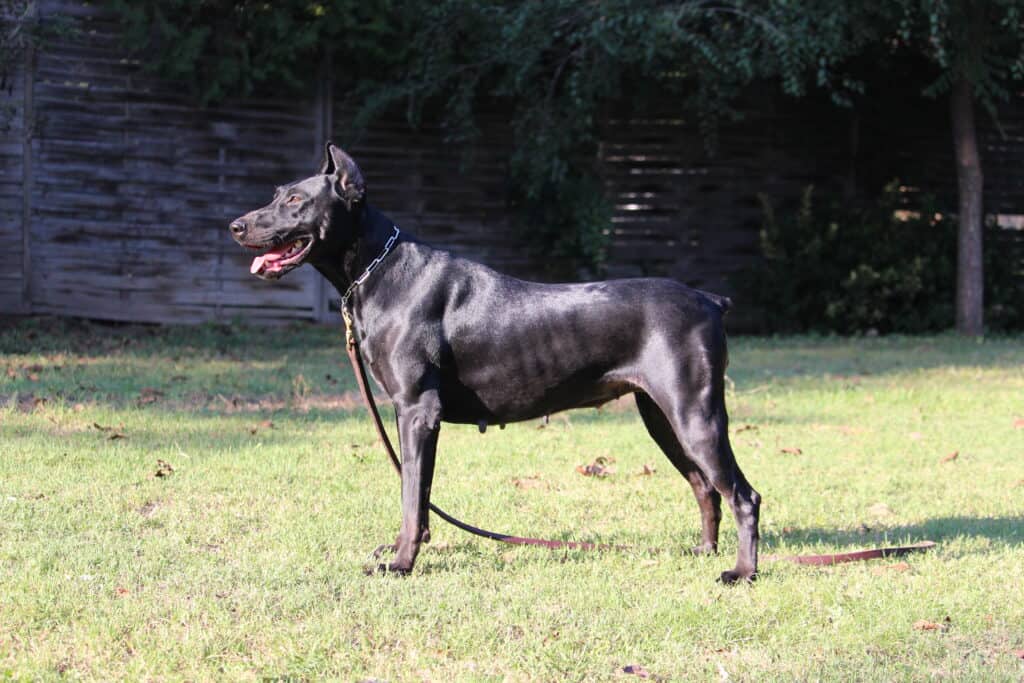
| Robin (Doberman) | Strong protection instinct with calm, controlled indoor behavior | Families needing high-level security with stable home interaction |
| Astro (Doberman) | Alert, responsive, yet steady and manageable in daily routines | Homes looking for balanced protection without intensity |
| Linda (German Shepherd) | Calm temperament, reliable obedience, safe around children | Family-focused homes prioritizing safety and stability |
| Maximus (German Shepherd) | Adaptable, balanced between protection and companionship | Households needing both personal and family-level protection |
| Sheriff (German Shepherd) | Disciplined, consistent response, strong control in active settings | Larger or more active homes requiring structured protection |
👉 See some trained home protection dogs here!
Each home protection dog is prepared with a specific purpose, helping you choose based on how you live—not just what looks impressive.
3. Real Experience from a Family Setting
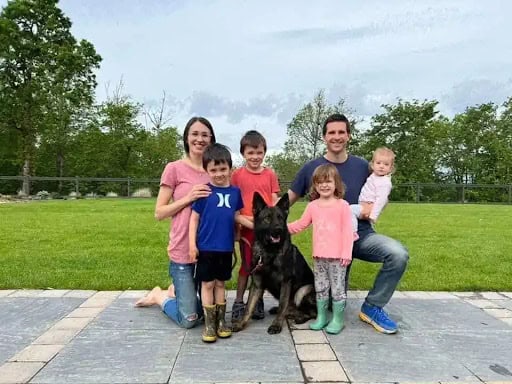
“After relocating, we needed a dog safe with our young son and pets, yet protective when needed. Elite Protection Dogs matched us perfectly. The dog adapted quickly to daily life while staying reliable for security. It brought peace of mind we didn’t have before.” — Aleksic N.
FAQs
1. Are home protection dogs safe for children?
Yes, when properly trained and matched to the household. A family protection dog should remain calm, obedient, and stable around children.
2. What is the difference between a family protection dog and a personal protection dog?
Family protection dogs are trained for home environments and multiple people. Personal protection dogs focus more on protecting one individual.
3. Should a fully trained dog or a puppy training program be chosen?
A fully trained dog offers immediate readiness. A puppy training program is better suited for long-term development.
4. How does training impact the safety of a protection dog at home?
Training determines how the dog reacts in different situations. A well-trained dog remains calm during normal activity and responds only to genuine threats, improving overall safety.
5. How to choose the right home protection dog for a family?
Focus on training level, temperament, and how well the dog fits daily home life. A suitable protection dog should stay calm in normal situations and respond only when necessary.
Final Thoughts
Safety concerns around behavior, control, and family fit can be addressed with the right training and selection process. The best home protection dogs are those that stay calm in daily life and respond only when needed.
Working with a trusted provider like Elite Protection Dogs ensures proper matching, structured training, and guided placement. This reduces uncertainty and helps create a home environment that feels secure, stable, and easy to manage.