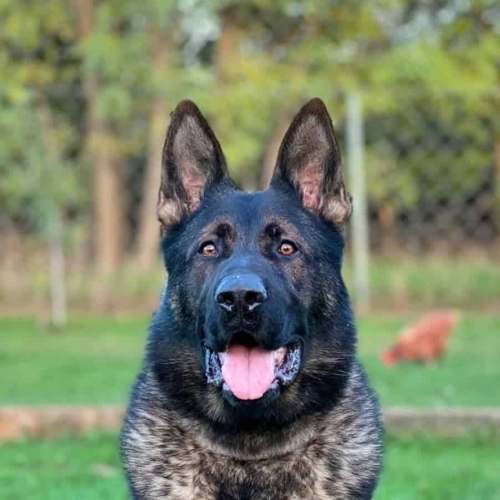
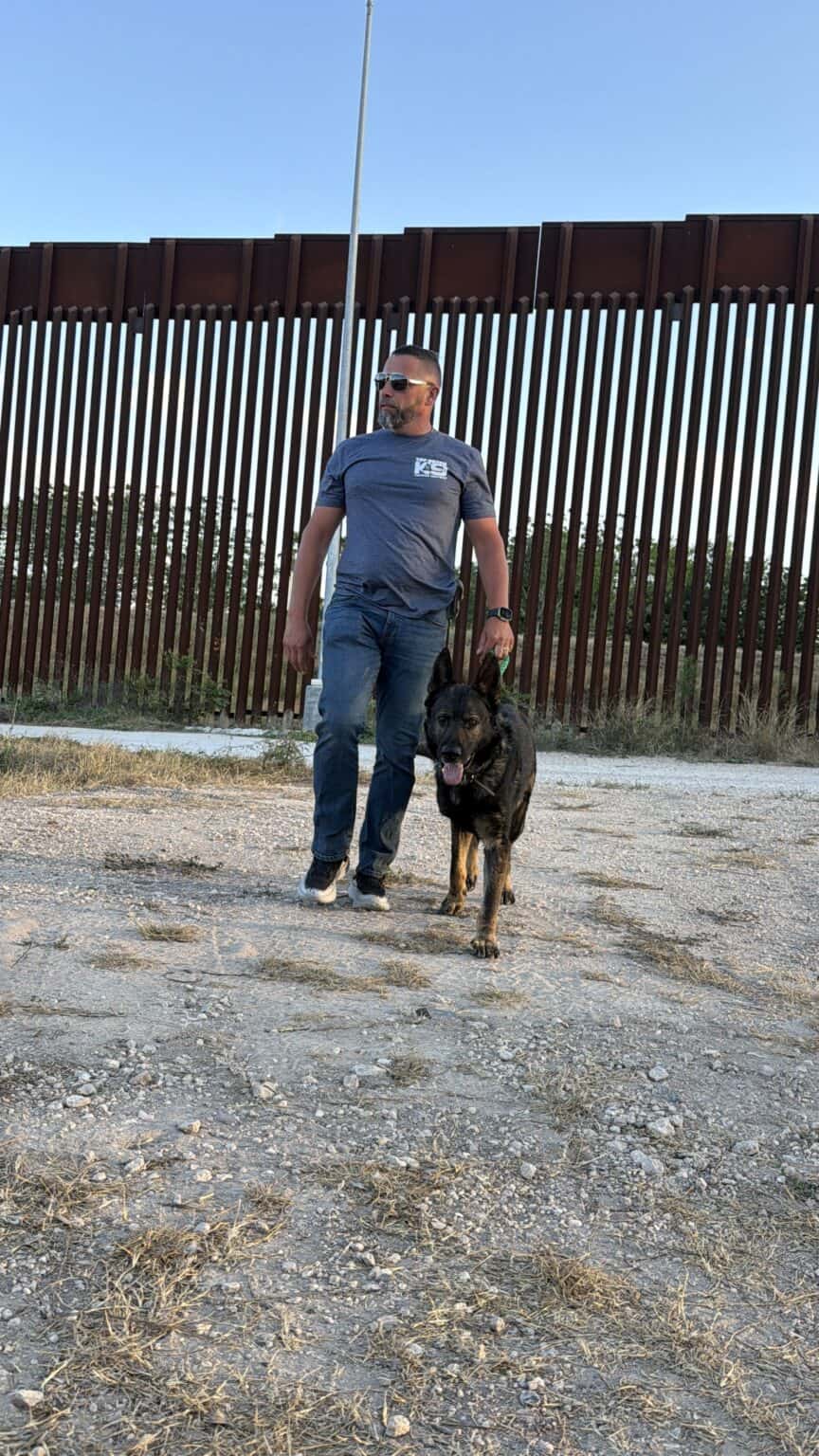
German Shepherds rank among the most recognized protection dog breeds in the world, and that reputation comes with a significant amount of misinformation. The german shepherd protection dog explained in this article is not the fearsome, hair-trigger animal portrayed in movies. It is a precisely developed companion built on intelligence, emotional stability, and structured training. Natural instincts alone do not produce a reliable protection dog. What produces one is a disciplined, methodical process covering obedience, socialization, and controlled defensive behavior. If you are considering this breed for your family’s safety, here is what you genuinely need to know.
Table of Contents
- Key takeaways
- German Shepherd protection dog explained: breed characteristics
- Training foundations every protection dog needs
- Why socialization makes or breaks a protection dog
- Protection training specifics and real-world application
- Is a German Shepherd protection dog right for your family?
- My perspective on getting this decision right
- Professionally trained German Shepherd protection dogs for families
- FAQ
Key takeaways
| Point | Details |
|---|---|
| Instinct alone is not enough | Natural protective drives must be refined through structured training before a German Shepherd is reliable for protection. |
| Obedience comes first | Core commands must be mastered in distracting environments before any protection work begins. |
| Socialization shapes response | Environmental exposure starting as early as 3 weeks produces calibrated, neutral behavior rather than fear-based reactivity. |
| Working lines outperform show lines | Dogs bred for Schutzhund or working evaluations carry stronger nerve and drive suited to protection roles. |
| Professional development is non-negotiable | Families benefit most from dogs developed by experienced trainers with proven real-world protection protocols. |
German Shepherd protection dog explained: breed characteristics
Understanding what makes a German Shepherd genuinely suited for protection work begins with the breed’s core traits. These are not random advantages. They are the result of selective breeding for specific working qualities over more than a century.
The breed’s intelligence ranks among the highest of all working breeds. German Shepherds process complex commands quickly, retain learned behaviors reliably, and adapt to new environments with relative ease. Their trainability, combined with a strong loyalty to their handler and family, makes them responsive to the structured progression required in protection development.
Physically, the breed offers an exceptional combination of strength, agility, and endurance. A fully developed German Shepherd weighs between 50 and 90 pounds and is capable of sustained physical output, which matters in genuine deterrence scenarios. Their alertness and protective drive are well-documented German Shepherd characteristics that translate directly into heightened environmental awareness and reliable threat recognition.
There is, however, a critical distinction that many families overlook:
- Working line German Shepherds are bred specifically for drive, nerve strength, and working capacity. Breeders focusing on Schutzhund or working dog evaluations produce dogs that are better suited for protection roles because their genetics are selected for functional performance.
- Show line German Shepherds are bred to meet kennel club conformation standards, which prioritize appearance over working ability. These dogs can still make excellent companions but often lack the nerve strength and drive required for demanding protection work.
- Temperament variations exist even within the same litter. Individual drive, sensitivity, and confidence levels must be assessed through proper temperament testing before selecting a dog for protection development.
- Health considerations also apply. Hip and elbow dysplasia rates in German Shepherds vary significantly by breeding program quality, and physical soundness directly affects a dog’s capacity for sustained protection work.
Selecting the right individual dog from the right breeding program is the first decision that determines everything that follows.
Training foundations every protection dog needs
No German Shepherd, regardless of bloodline or natural drive, becomes a reliable protection dog without a structured training foundation. This is where many well-intentioned owners make their most consequential mistakes.

The sequence of development matters more than most people realize. Protection-specific skills cannot be layered onto a dog that lacks solid obedience. A dog that bites without reliable stop commands is a liability, not an asset. The foundational commands must be mastered before any bite work or threat response training begins.
A well-structured German Shepherd obedience training progression looks like this:
- Foundation commands in low-distraction environments. Sit, stay, come, heel, and down are taught with clear, consistent cues and immediate positive reinforcement. The dog learns that responding to commands produces reliable outcomes.
- Proofing commands in progressively distracting environments. A dog that sits on command in a quiet room but ignores the cue near strangers or other dogs is not reliable. Each command must be proofed in parks, urban settings, crowds, and vehicle environments.
- Off-leash and distance obedience. True protection dog qualities require a dog that responds immediately at distance, off-leash, under pressure. This level of control takes months of consistent, structured work and cannot be shortcut.
- Mental stimulation and confidence building. Controlled stress exposure through novel environments, problem-solving exercises, and progressive physical challenges builds the mental focus that translates into composure during real-world scenarios.
- Handler communication refinement. The dog must read the handler’s body language, verbal cues, and energy accurately. Protection work is a dialogue between handler and dog, not a one-way command sequence.
Pro Tip: Avoid punishment-based training methods in the obedience phase. Corrections that rely on pain or fear suppress behavior rather than build understanding, and a suppressed dog is unpredictable under pressure. Positive reinforcement builds the confidence and clarity a protection dog genuinely needs.
The time investment for this phase alone runs three to six months of consistent daily training for most dogs. Families should factor this reality into their planning from the start.
Why socialization makes or breaks a protection dog
Socialization is the most underestimated component of training a German Shepherd for protection, and it is also the area where the most serious behavioral problems originate. Understanding the difference between a well-socialized protection dog and a poorly socialized reactive dog is critical for anyone considering this role.
The goal of socialization is not to make a German Shepherd friendly with every person it meets. Socialization aims for environmental neutrality rather than friendliness. A dog that is neutral in public can observe, assess, and respond based on genuine threat signals rather than reacting out of discomfort or fear.
| Behavior | Well-Socialized Dog | Under-Socialized Dog |
|---|---|---|
| Strangers approaching | Calm observation, no reaction | Lunging, barking, stress signals |
| Crowded public spaces | Relaxed, focused on handler | Hypervigilance, reactivity |
| Unusual sounds or objects | Brief alert, returns to neutral | Prolonged startle, avoidance |
| Children interacting | Tolerant, controlled | Unpredictable, anxious |
| Threat recognition | Calibrated, proportional response | Fear-based aggression or shut down |
The timeline for socialization is not optional. Exposure to 10 or more types of people, environments, and stimuli should begin as early as 3 weeks and continue through adulthood. Early experiences shape the dog’s nervous system response patterns in ways that no amount of later training can fully reverse.
One of the most dangerous misunderstandings among owners is interpreting leash reactivity as protective aggression. In the large majority of cases, a German Shepherd that lunges and barks on leash is expressing fear, not protective drive. Punishment escalates the problem by adding stress to an already stressed animal. The correct approach uses distance management and counter-conditioning to rebuild the dog’s emotional response to the triggering stimulus.
The secondary fear imprint period, which occurs between roughly 6 and 14 months of age, deserves particular attention. Dogs in this phase are more sensitive to negative experiences, and a single traumatic event during this window can create lasting behavioral problems. Careful exposure management during this period is not optional. It is a protection dog development requirement.
Pro Tip: If you adopt an adult German Shepherd for protection work, understand that progress through socialization deficits is slower than starting from puppyhood. Adult socialization is possible, but it requires exceptional patience, threshold management, and systematic trust-building over many months.
Early socialization of puppies directly shapes the emotional stability and threat-calibration ability that defines a genuinely reliable protection dog later in life.
Protection training specifics and real-world application
Once obedience and socialization foundations are solid, structured protection training introduces the specific skills that define a trained protection dog. This phase is where many popular assumptions about protection training are revealed to be inaccurate.

A frequently overlooked distinction separates sport protection training from personal protection dog development:
| Feature | Schutzhund / IGP Sport | Personal Protection Dog |
|---|---|---|
| Environment | Structured, controlled field | Unpredictable real-world scenarios |
| Helper/decoy | Padded, behaves predictably | Varied clothing, unpredictable movements |
| Threat source | Known, staged | Unknown, spontaneous |
| Success metric | Points and titles | Reliable, calibrated real-world response |
| Off-switch requirement | Required for sport | Critical for family safety |
Schutzhund titles prove skill in a controlled sport setting but do not guarantee readiness for unpredictable real-world protection scenarios. A dog trained exclusively in sport contexts may perform beautifully on a trial field and struggle to respond appropriately in a parking garage or hotel lobby.
Personal protection training uses trained helpers who simulate genuine threat behavior in realistic environments. The dog learns to distinguish between a person who appears threatening and one who is simply unfamiliar. This is called threat differentiation, and it is the core skill that prevents a protection dog from becoming a liability.
The on/off switch is perhaps the most operationally critical skill in bite work development. A dog that transitions rapidly from active bite work to calm, neutral obedience on a single handler cue is safe in family environments. A dog that cannot disengage reliably is not suitable for homes with children, regardless of how impressive its drives appear. True protection dogs maintain calm neutrality until a credible threat is recognized, which is precisely what makes them trustworthy rather than dangerous.
Is a German Shepherd protection dog right for your family?
This is the question that matters most, and it deserves an honest answer rather than a promotional one.
German Shepherds bring genuine strengths to family environments. They are affectionate with children they are raised with, form deep bonds with family members, and adapt well to household routines when their physical and mental needs are consistently met. These traits make them one of the best guard dogs for families willing to invest in proper development.
That said, several factors determine whether this breed and role are a realistic fit for your situation:
- Time commitment. Training German Shepherd for protection is not a weekend course. Expect one to two years of structured development before a dog is genuinely reliable in a protection role.
- Energy demands. German Shepherds require significant daily physical exercise and mental engagement. A dog that is under-stimulated becomes restless, reactive, and difficult to manage in a family setting.
- Handler skill and consistency. The dog’s behavior is a direct reflection of the owner’s consistency. Families that cannot maintain clear, consistent expectations across all household members will undermine a protection dog’s training over time.
- Professional guidance. Attempting to develop protection dog qualities without experienced professional guidance creates serious liability risk. The difference between a calibrated protection dog and an unpredictable reactive dog is almost entirely a function of professional development quality.
- Choosing qualified sources. Working with breeders and trainers who use working evaluations and proven protection dog programs is the only reliable way to know what you are getting.
For families who can meet these requirements, a well-developed German Shepherd protection dog offers a level of safety, loyalty, and companionship that few other breeds match.
My perspective on getting this decision right
I’ve spent years working with German Shepherds in protection development, and the single most persistent mistake I see is treating natural instinct as a substitute for training. Families bring home a high-drive German Shepherd, notice it barks at strangers or stiffens on walks, and conclude they have a protection dog. What they usually have is a dog that is reactive out of insecurity, and that distinction matters enormously.
In my experience, the dogs that become truly reliable protection dogs are not always the ones with the loudest bark or the most dramatic drives at 8 weeks old. They are the ones with stable nerves, solid socialization histories, and handlers who committed to the full development process without shortcuts. I’ve watched dogs from exceptional working bloodlines fail as protection dogs because their owners skipped the obedience foundation or rushed into bite work. I’ve also watched dogs that seemed less impressive at selection become exceptional family protection companions because their development was managed correctly.
What I’ve learned is that the difference between a dangerous dog and a dependable one is not genetics alone. It is the quality of the professional program behind the dog. Families considering this investment deserve to understand that fully before making a decision they will live with for 10 to 13 years.
The breed is capable of extraordinary things. But capability without structured development is not protection. It is risk.
— Laszlo
Professionally trained German Shepherd protection dogs for families

If you have read this far, you understand that developing a reliable German Shepherd protection dog is not a casual undertaking. It requires the right genetics, a structured development program, and experienced professional oversight at every stage. Eliteprotectiondogs specializes in exactly that. Every dog available through their program has undergone one to two years of intensive development covering real-world obedience, socialization, emotional stability, and reliable protection dog training. These are not sport dogs or green prospects. They are family-ready companions with verified protection capability, trusted by executives, families, and individuals who require genuine peace of mind. Explore available German Shepherds and elite protection dogs to find the right match for your household.
FAQ
Are German Shepherds naturally good guard dogs?
German Shepherds have strong natural protective instincts and alertness, but instinct alone does not produce a reliable guard dog. Structured obedience training, socialization, and professional protection development are required to produce a dog that responds proportionally and safely.
How long does it take to train a German Shepherd protection dog?
Developing a reliable German Shepherd protection dog typically takes one to two years of structured training that covers obedience, socialization, and controlled protection work. Rushing this process produces unreliable, potentially dangerous behavior.
What is the difference between a sport protection dog and a personal protection dog?
Sport protection dogs like those trained in Schutzhund or IGP excel in controlled, predictable environments. Personal protection dogs are trained for unpredictable real-world scenarios and must demonstrate calibrated threat differentiation and reliable on/off switches in family settings.
Can a German Shepherd protection dog be safe around children?
Yes, when developed through a professional program that prioritizes socialization, emotional stability, and controlled responses. A well-trained protection dog maintains calm, affectionate behavior with family members and responds defensively only when a genuine threat is present.
What should I look for when choosing a German Shepherd for protection work?
Prioritize dogs from working line breeding programs that use Schutzhund or formal working evaluations in their selection process. Temperament testing, nerve strength assessment, and a verified professional training history are the most reliable indicators of genuine protection dog suitability.