A professionally trained protection dog is one of the most advanced security assets a family or executive can own. But elite protection dogs are not “set and forget” animals. Even the best-trained dogs require ongoing maintenance to preserve:
- Obedience precision
- Threat recognition
- Environmental stability
- Physical conditioning
- Controlled defensive behavior
- Reliability under pressure
Without consistent reinforcement, performance gradually declines. The good news is that maintaining a protection dog’s training is far easier than building those skills from the beginning — especially when owners follow a structured maintenance system. This guide explains exactly how elite handlers and protection dog professionals maintain world-class performance over time.
Why Maintenance Training Matters
Protection dogs operate differently than ordinary companion animals. Their training involves:
- Advanced obedience
- Environmental neutrality
- Controlled bite work
- Threat assessment
- Tactical positioning
- Public stability
- Immediate command compliance
These skills are highly refined. Like executive security teams or professional athletes, consistency matters. Even exceptional dogs can lose precision if commands become inconsistent, structure disappears, boundaries weaken, environmental exposure decreases, or defensive scenarios are never refreshed. Maintenance training keeps responses sharp, controlled, and predictable.
1. Daily Obedience Reinforcement
Recommended Time: 10–20 Minutes Per Day
Elite protection dogs thrive on structure. Short daily obedience sessions are one of the most effective ways to maintain reliability. Core commands should include:
- Sit
- Down
- Stay
- Heel
- Place
- Recall
- Neutrality around distractions
- Vehicle loading and exits
Consistency matters more than duration. Professional handlers often integrate obedience naturally into everyday life — before meals, during walks, before entering vehicles, at doors and gates, around guests, and during travel. This reinforces calm leadership and command responsiveness.
2. Environmental Exposure Training
Recommended Frequency: Weekly
One of the defining traits of elite protection dogs is environmental stability. A true executive protection dog must remain composed in:
- Crowded urban environments
- Airports
- Hotels
- Restaurants
- Shopping districts
- Public events
- Luxury residential environments
Dogs that remain isolated at home can gradually become less adaptable. Weekly exposure to controlled public environments helps preserve confidence, social neutrality, focus under distraction, situational awareness, and calmness under stress. Exposure should always remain structured and controlled.
3. Controlled Protection Scenario Refreshers
Recommended Frequency: Monthly or Quarterly
Protection responses should never become chaotic or emotionally driven. This is why periodic professional scenario training is essential. Refresher sessions may include:
- Controlled threat engagements
- Vehicle extraction scenarios
- Home intrusion simulations
- Decoy work
- Defensive positioning
- Recall under stress
- Bite-and-release control
These sessions reinforce precision, confidence, targeting accuracy, and immediate obedience under adrenaline. Importantly, this work should only be conducted with experienced professionals. Improper bite training can create instability and liability.
4. Handler Consistency and Leadership
Protection dogs are highly sensitive to leadership quality. Inconsistent handling creates confusion. Elite owners maintain consistency by:
- Using identical commands
- Enforcing boundaries calmly
- Avoiding emotional corrections
- Maintaining routines
- Rewarding calm behavior
- Preventing unnecessary stimulation
The goal is controlled confidence — not fear or intimidation. A properly maintained protection dog should appear calm, neutral, and socially stable most of the time.
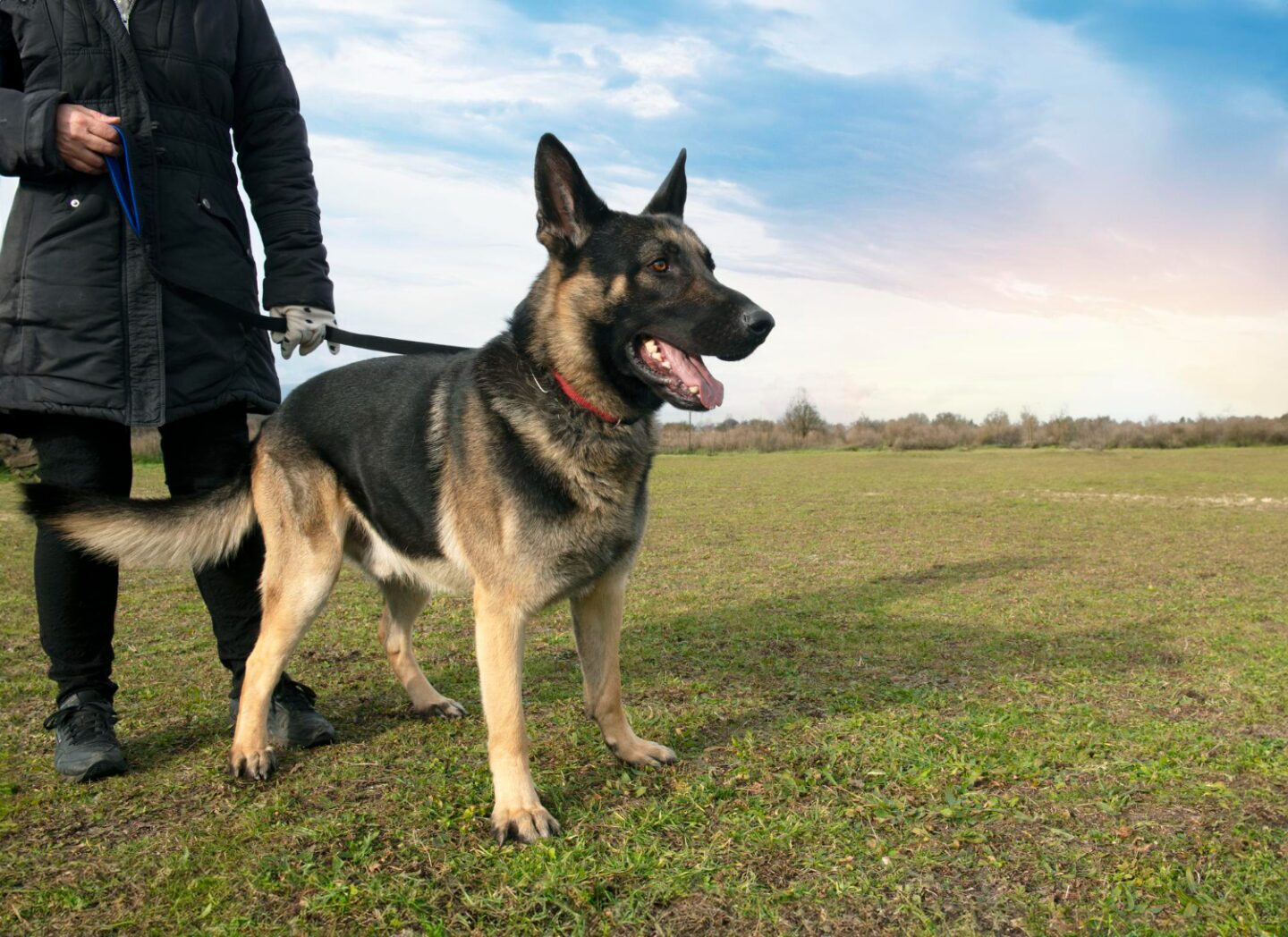
5. Physical Conditioning and Athletic Maintenance
Recommended Frequency: Daily
Protection dogs are athletes. Physical conditioning directly affects speed, joint health, recovery, endurance, mobility, and long-term working lifespan. Most elite protection dogs benefit from:
- Structured walks
- Sprint intervals
- Swimming
- Controlled resistance work
- Agility exercises
- Mobility training
Overweight dogs lose both health and operational effectiveness. Lean muscle condition is ideal.
6. Mental Stimulation and Cognitive Engagement
Mental fatigue can be just as important as physical exercise. High-drive working dogs require cognitive engagement to remain balanced. Excellent options include:
- Scent detection games
- Problem-solving exercises
- Structured obedience drills
- Search exercises
- Tracking work
- Environmental challenges
A mentally stimulated protection dog is typically calmer, more focused, and more stable inside the home.
7. Family Integration Training
Elite family protection dogs must understand household dynamics clearly. Every family member should know:
- Basic handling commands
- Greeting procedures
- Guest protocols
- Boundaries for children
- Feeding rules
- Travel expectations
Consistency across the household prevents confusion. The best family protection dogs are affectionate and social with approved individuals while remaining highly responsive under genuine threat.
8. Travel and Lifestyle Adaptation
Many high-net-worth owners travel frequently. Protection dogs should regularly practice:
- Vehicle transitions
- Hotel routines
- Public elevators
- Airport environments
- Restaurant neutrality
- Crowd management
- Long-duration settles
Dogs exposed to diverse environments maintain stronger adaptability. This is one reason elite providers heavily emphasize early socialization and ongoing exposure.
9. Ongoing Professional Evaluations
Recommended Frequency: Every 3–6 Months
Even highly experienced handlers benefit from periodic evaluations with professional trainers. These evaluations can identify:
- Minor obedience drift
- Environmental sensitivity
- Over-arousal patterns
- Health-related performance changes
- Handler inconsistencies
- Confidence issues
Small corrections early prevent larger behavioral problems later. Top protection dog companies often provide lifetime support programs specifically for this reason.
Common Mistakes That Ruin Protection Dog Training
Inconsistent Rules
Allowing behaviors sometimes but correcting them other times creates instability.
Overstimulating Defensive Behavior
Encouraging unnecessary aggression is one of the fastest ways to damage a quality protection dog. Elite dogs should remain calm and controlled.
Lack of Public Exposure
Dogs that never leave the property can become environmentally sensitive.
Skipping Maintenance Sessions
Even excellent dogs require periodic professional refreshers.
Poor Physical Conditioning
Joint stress, obesity, and low endurance reduce working capability significantly.
What Elite Protection Dogs Should Look Like in Daily Life
Contrary to Hollywood portrayals, the best protection dogs are usually quiet, socially neutral, calm in public, highly obedient, emotionally stable, controlled under pressure, and affectionate with family. Most real-world protection comes from presence, situational awareness, deterrence, and immediate responsiveness — not uncontrolled aggression. This distinction separates elite protection dogs from unstable guard dogs.
How Long Can a Protection Dog Stay Effective?
With proper maintenance, many protection dogs remain operationally capable well into later adulthood. Longevity depends on:
- Genetics
- Joint health
- Training quality
- Nutrition
- Conditioning
- Stress management
- Veterinary care
Elite bloodlines combined with responsible maintenance can significantly extend performance lifespan.
Final Thoughts
Maintaining a protection dog’s training is ultimately about preserving control, confidence, and reliability. The highest-level protection dogs are not defined by aggression — they are defined by discipline. When properly maintained, a professionally trained protection dog becomes:
- A trusted family companion
- A sophisticated security asset
- A calm executive protector
- A reliable deterrent
- A highly adaptable guardian
The key is consistency. Daily structure, ongoing exposure, professional refreshers, and strong handler leadership create dogs that remain stable and effective for years. At the elite level, protection dogs are not temporary purchases — they are long-term investments in safety, peace of mind, and uncompromising personal security.